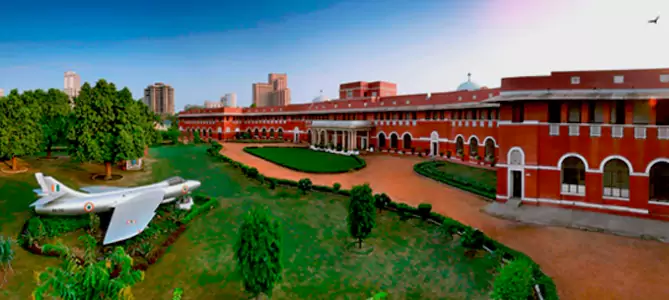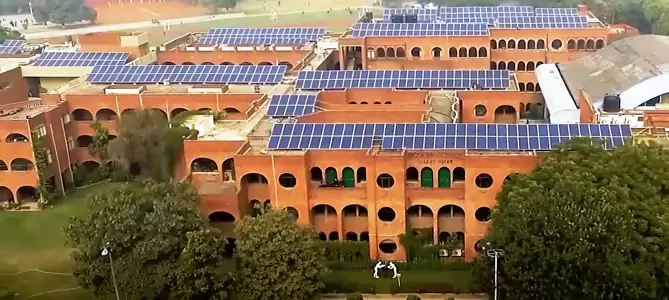

The Modern School, Delhi Society was established in 1920 under the Societies Registration Act, 1860 with the vision of imparting modern and progressive education to children. It was founded by Lala Raghubir Singh, in the haveli of his father Lala Sultan Singh, at Daryaganj, Old Delhi.
Over the years, The Modern School Society has established itself as a leading educational institution in the region, with its schools consistently ranking among the top in Delhi and India. In an ever-evolving landscape of school education, our schools have grown from a small initiative which began in a haveli in the walled city of Delhi, to a respected institution, renowned for its rich history and tradition of excellence. We steeped in traditions that foster a sense of pride and belonging. Our alumni network spans generations, each contributing to the legacy of our school. We celebrate our history while continually evolving to meet the needs of the future.
Lala Raghubir Singh's vision was to raise a generation of boys and girls whose outlook would be modern, but who would respect their rich culture and traditions. He espoused that the ideal of an all-around development of body, mind and character should inspire and characterise the activities of any school. Over the years, the Modern School education has adopted a philosophy of facilitation to each student, to attain self-actualization of their individual potential. Engagement with the environment and community is an essential pillar of the Modern School education.
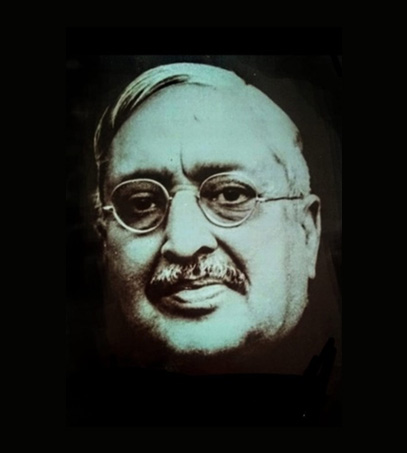
We envision to provide a nurturing and challenging environment, where every student is empowered to reach their full potential and make meaningful contributions to society, to meet the needs of the future. Our Mission statement captures our steadfast commitment to academic excellence, bringing creativity in education and a vibrant cultural and sports programme.

Modern School aims to build a community of confident, global leaders with social conscience and national pride, committed to excellence and continuous learning.

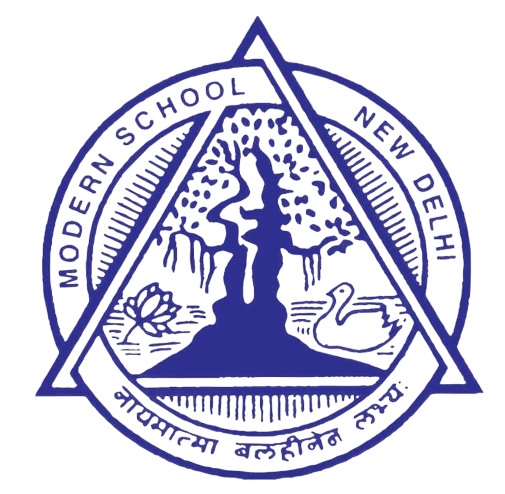
The Modern School crest signifies the Circle of Eternity crossed by the three elements in human development of body, mind and spirit. While the sun shines between the circle and the triangle, the banyan tree represents strength of character; the swan, a symbol of refinement and the lotus, signifies culture and the arts. For a sound system of education, a close interconnection of the physical, mental and moral is fundamental.
Modern School has long distinguished itself not merely as an institution of academic excellence but as a vibrant cultural hub that nurtures awareness of India's rich heritage among its students and the wider community.

The school's association with Spic Macay - the Society for the Promotion of Indian Classical Music and Culture Amongst Youth - dates back to the very origins of the movement, when pioneering lecture - demonstrations by maestros such as Pandit Ravi Shakar Prasad, Alla Rakha Qureshi, Pandit Hariprasad Chaurasia, were held on its premises, helping set the course for one of India's most enduring cultural initiatives. Through these concerts, workshops, and demonstrations, the school continues to expose young minds to the depth and beauty of Indian classical music, dance, and folk traditions.
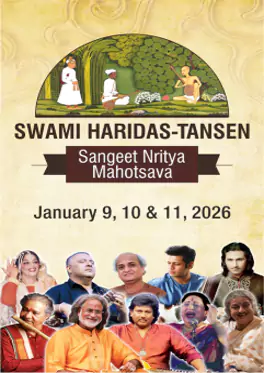
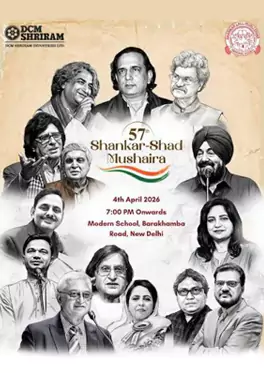
The school also served as the founding premises for the Shankar Lal Music Festival. The School's iconic Shankar Lal Hall now serves as the venue for the prestigious annual Swami Haridas Tansen Sangeet Nritya Mahotsav, one of India's most esteemed classical music and dance festivals, organised under the guidance of Padma Bhushan Dr Uma Sharma - a three-day celebration that honours the legendary saint-musician Swami Haridas and his illustrious disciple Tansen, and upholds the timeless guru-shishya tradition through performances by the country's finest maestros. Complementing this musical legacy, the school lends its hallowed grounds to the Shankar Shad Mushaira, a programme that keeps alive the classical tradition of Urdu poetry by bringing together distinguished poets in an intimate and evocative setting, reminding audiences of the profound literary heritage that is as much a part of India's cultural identity as its music.
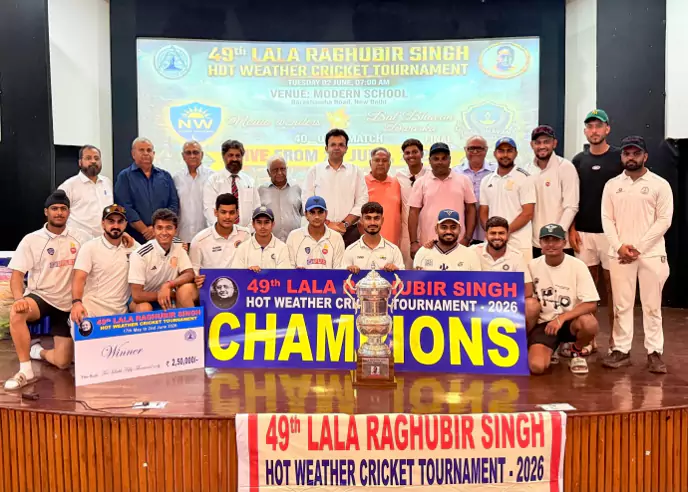
Beyond the arts, Modern School's grounds also play host to the Lala Raghubir Singh Hot Weather Cricket Tournament - a storied all India cricket competition now in its fifth decade — which draws clubs and cricketing talent from across the country each summer, reinforcing the school's commitment to sporting excellence alongside cultural enrichment.
Together, these events reflect Modern School's enduring philosophy that a truly holistic education encompasses not just academic rigour but also a deep and abiding connection to the cultural, literary, and sporting traditions that define the Indian identity.